
What to Buy in North Bengal: Darjeeling Tea, Kalimpong Cheese and Hill Oranges

7 minutes read
Tips
Traditions

About the Author

Soumen Bhowmick

Soumen Bhowmick founded Pollen Dots in 2024 to plan journeys across India and Bhutan. He works in the Commercial Department of Indian Railways, where he has been since 2000. From 2016 to 2020 he was Head of Business Development and Partnerships at ScoutMyTrip, a community-driven road trip planning platform. There he built a nationwide network of local Scouts who helped travellers on the road, and grew the Road Trippers Club to 16 Indian cities. As a core member of Devil On Wheels, he helped travellers plan Himalayan trips and started Spreading Smiles. He has driven solo from Arunachal to Goa and from Himachal to Karnataka, and has run his own caravan for more than ten years. His photographs have won national and international salon awards, and his writing has appeared in Outlook Traveller.
Blog Image

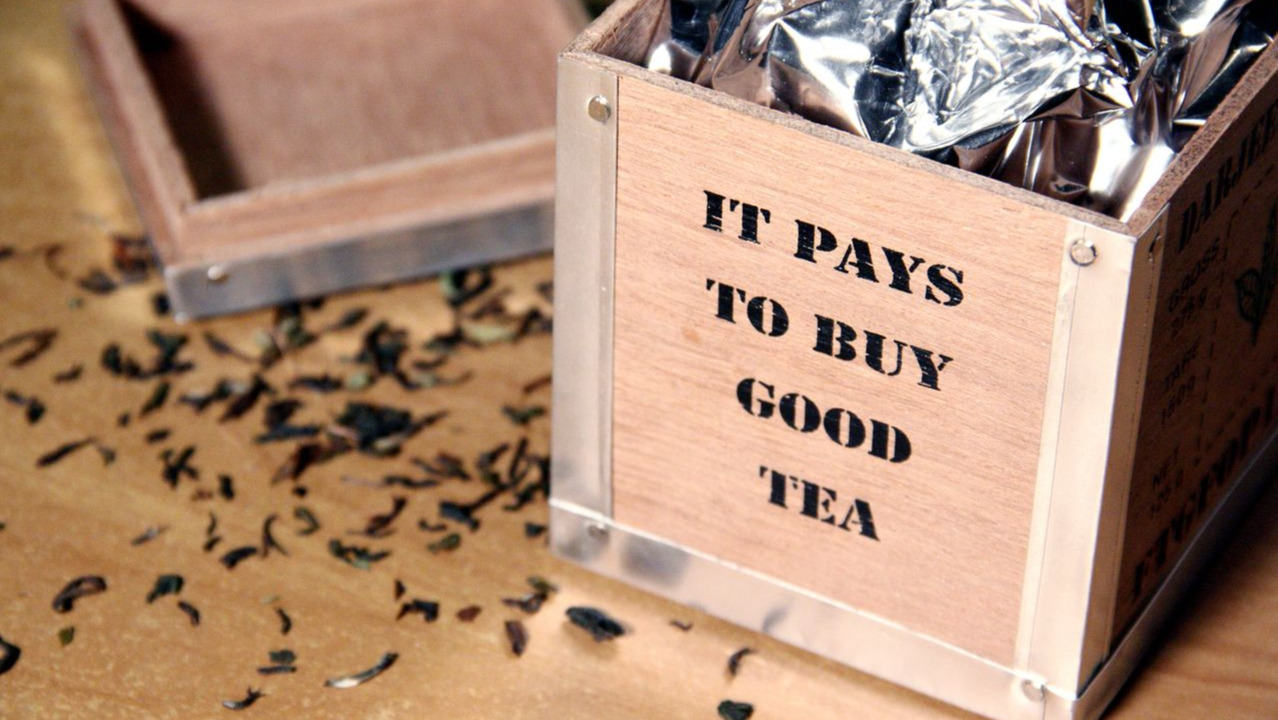
Most lists of what to buy in North Bengal name Darjeeling tea and never mention the Dooars or the Terai. Darjeeling tea was the first Geographical Indication India ever issued, application number 1, registered on 29 October 2004. Buy the tea against that mark, buy Kalimpong cheese from the dairy, and buy the produce of the hills and the plains where the stall is not the only seller.

Two different marks protect Darjeeling tea and one of them is nearly twenty years older than the other. The guide to preparing for travelling in India handles money and documents, and this handles the shopping.

What to buy in North Bengal

  • Darjeeling tea. From one of the 87 estates, bought by garden name and flush rather than by the word Darjeeling.
  • Kalimpong cheese. Unpasteurised cow's milk cheese, in wheels, made in small quantity.
  • Darjeeling mandarin oranges. Granted a Geographical Indication on 24 November 2025, grown in the Darjeeling and Kalimpong hills.
  • Dooars and Terai tea. The everyday strong tea the region actually lives on, and a fraction of the price.
  • Tibetan carpets and woollens. From the Darjeeling and Kalimpong refugee self-help centres.
  • Kalimpong lollipops and candy. A hill confectionery tradition sold in the Kalimpong shops.
  • Orchids and cut flowers. Kalimpong is a nursery town and the trade is old.
  • Cane, bamboo and wood work. From the Dooars villages and the hill craft centres.

Why Darjeeling tea carries application number 1

Darjeeling tea is GI application number 1 in India. The Tea Board filed it, it was registered on 29 October 2004 in class 30, and the registration runs to 26 October 2033.

  • It was first in Europe too. Darjeeling was entered in the European register by Commission Implementing Regulation 1050 of 2011, dated 20 October 2011.
  • The older mark. The Darjeeling logo and name were developed in 1983 by the Darjeeling Planters' Association, and the Tea Board registered them as a certification mark in 1986.
  • So there are two marks, not one. The certification mark is nearly twenty years older than the Geographical Indication and both are still in use.
  • The estates. 87 tea gardens carry the Darjeeling name, and the garden is the unit that matters, not the district.
  • Why that matters in a shop. A packet that says Darjeeling and names no garden is telling you the least it can.
  • Where to buy it. The estate shops, the Tea Board approved sellers, and the established dealers in Darjeeling and Siliguri.

How much tea the Dooars and the Terai make

The Tea Board's final figures for 2022 to 2023 put Darjeeling at 6.80 million kg, the Dooars at 237.69 million kg and the Terai at 176.42 million kg. The two lowland belts together make about sixty times what the hills make.

  • The share. Darjeeling is roughly one and a half percent of West Bengal's tea and close to all of its reputation.
  • What the Dooars and the Terai grow. Strong, brisk, lowland tea. It goes into the blends and the everyday packets.
  • Where the gardens are. Jalpaiguri, Alipurduar and the Siliguri belt, across the road from most Dooars itineraries.
  • What it costs. A fraction of a Darjeeling first flush, for tea most households actually drink.
  • A figure worth carrying. A producers' estimate recorded in 1987 put 40 to 50 million kg sold worldwide as Darjeeling against 8 to 9 million kg of genuine exports. The gap is the reason the marks exist.
  • Where to buy lowland tea. The garden outlets along the Dooars highway and the Siliguri wholesale market.

Kalimpong cheese, and the priest who started it

Kalimpong cheese was started by Father Andre Butty, a Jesuit parish priest in Kalimpong. It is an unpasteurised cow's milk cheese, made in wheels of one kilogram and twelve.

  • What it tastes like young. White, slightly acidic and crumbly in the centre, close to a Welsh Caerphilly.
  • What it becomes. Ripened a few months, the flavour matures in the direction of a Gouda.
  • How much is made. About 10 kg a day, which is why it is not in every shop.
  • Where to buy it. The Kalimpong dairy outlets and a small number of established sellers.
  • How to carry it. It travels better than most fresh cheese, and the twelve kilogram wheel is not the one to buy.
  • What else Kalimpong sells. Lollipops and boiled sweets, orchids, and the nursery trade that the town is built on.

The produce to carry home from the hills and the plains

What a region eats is a shorter route into it than what a region sells, which is a longer argument made elsewhere.

  • Darjeeling mandarin oranges. A Geographical Indication since 24 November 2025, held by the Darjeeling Organic Farmers Producer Organisation.
  • When to buy them. The hill orange season runs through the winter months.
  • Dalle and hill chillies. Sold fresh, dried and in pickle across the hill markets.
  • Large cardamom. Grown in the hills here as well as across the state line.
  • Honey and preserves. From the hill co-operatives and the Dooars villages.
  • Churpi. Hard hill cheese, sold in blocks, and nothing like the Kalimpong wheel.
  • Where to buy it. Chowk Bazaar in Darjeeling, the Kalimpong market, and the weekly haats in the Dooars.

What not to buy at a roadside stall

  • Tea sold as Darjeeling with no garden name and no mark. Both the certification mark and the Geographical Indication exist to answer that question.
  • First flush sold in October. The flushes run to a calendar and the seller should be able to name the one in the packet.
  • Anything made from wildlife. Fur, bone, claws and ivory are illegal to buy and to carry.
  • Antiques. Objects over a hundred years old cannot leave India without clearance from the Archaeological Survey of India.
  • Orchids dug from the forest. Buy from a registered nursery, which Kalimpong has plenty of.
  • Volume at a viewpoint. The same tea and the same oranges sit cheaper in the town markets.

Buy against a mark rather than a word and the shopping here stops being a guess. Our six day cultural journey through Darjeeling and Sikkim runs the tea hills, which is where the garden buying happens. Customised tours is where an estate or a dairy visit gets built into the route.


Also Read

  1. Things to Know Before Planning a Trip to North Bengal
  2. Cultural Places to Visit in India, and What Most People Miss
  3. Indian Destinations Explained Through Regional Food Culture

Frequently Asked Questions

Was Darjeeling tea India's first GI?

Yes. Darjeeling tea is Geographical Indication application number 1 in India, filed by the Tea Board, registered on 29 October 2004 in class 30, with the registration running to 26 October 2033. It was also entered in the European register, by Commission Implementing Regulation 1050 of 2011.

How do you know if Darjeeling tea is genuine?

Look for the garden name and the Darjeeling certification mark, which the Tea Board registered in 1986, nearly twenty years before the Geographical Indication. A packet that names no garden is telling you the least it can. Buy from estate shops or established dealers rather than roadside stalls.

How much tea does Darjeeling actually produce?

6.80 million kg in 2022 to 2023, on the Tea Board's final figures. The Dooars made 237.69 million kg and the Terai 176.42 million kg in the same year. Darjeeling is roughly one and a half percent of West Bengal's tea and close to all of its reputation.

What kind of cheese is made in the Darjeeling hills?

Kalimpong cheese, an unpasteurised cow's milk cheese made in wheels of one and twelve kilograms. Father Andre Butty, a Jesuit parish priest in Kalimpong, started its production. Young it is white, acidic and crumbly like a Caerphilly, and ripened a few months it matures towards a Gouda.

What should I buy in Darjeeling and Kalimpong?

Tea by garden name from an estate shop, Kalimpong cheese from a dairy outlet, and Darjeeling mandarin oranges in season, which received a Geographical Indication on 24 November 2025. Kalimpong also sells orchids and boiled sweets, and both towns have Tibetan craft centres.


Leaving Pollen Dots You are about to visit the following url Invalid URL

Loading...
Comments


Comment created and will be displayed once approved.