
Packing List for North Bengal: What to Carry in Every Season

6 minutes read
Tips

About the Author

Soumen Bhowmick

Soumen Bhowmick founded Pollen Dots in 2024 to plan journeys across India and Bhutan. He works in the Commercial Department of Indian Railways, where he has been since 2000. From 2016 to 2020 he was Head of Business Development and Partnerships at ScoutMyTrip, a community-driven road trip planning platform. There he built a nationwide network of local Scouts who helped travellers on the road, and grew the Road Trippers Club to 16 Indian cities. As a core member of Devil On Wheels, he helped travellers plan Himalayan trips and started Spreading Smiles. He has driven solo from Arunachal to Goa and from Himachal to Karnataka, and has run his own caravan for more than ten years. His photographs have won national and international salon awards, and his writing has appeared in Outlook Traveller.
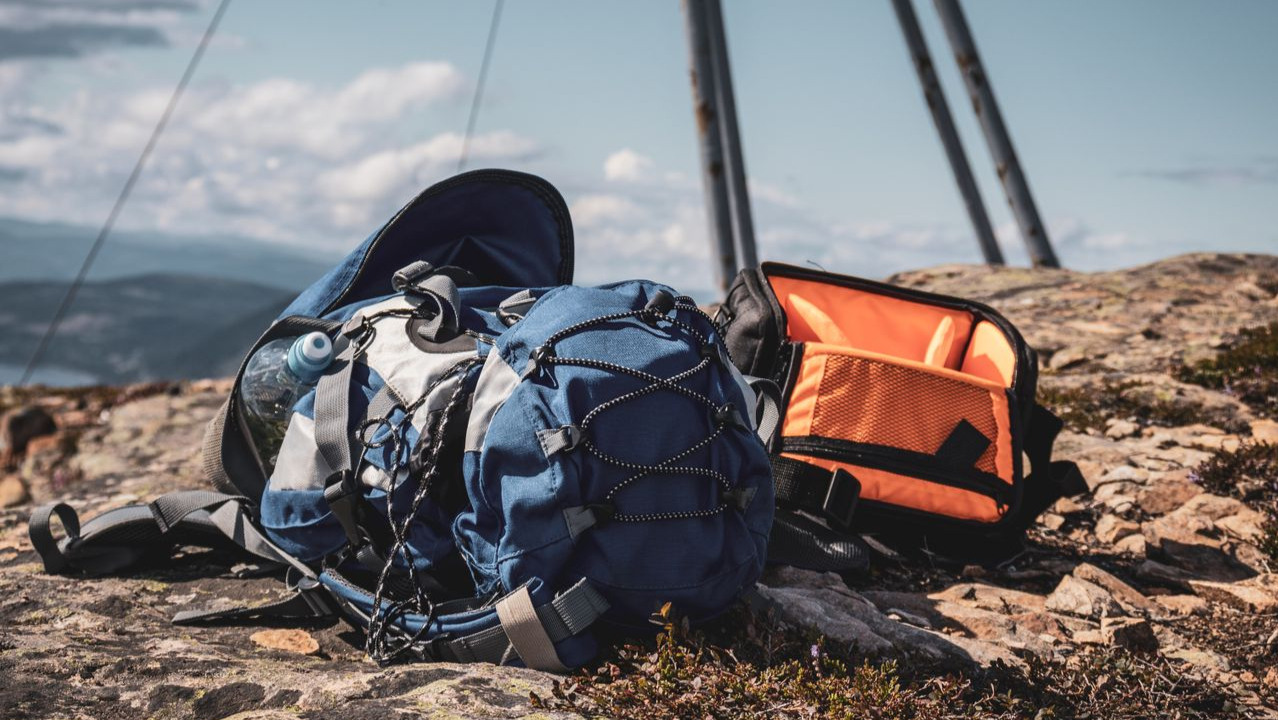
Blog Image

Darjeeling sits at about 2,000 metres and the Dooars sit at about 100, which is the range a packing list for North Bengal has to cover. The forests in the plains are closed from about mid June to mid September, so a monsoon bag here is for wet hill roads rather than for safaris. Pack for cold in the hills, for heat and insects in the Dooars, for a safari dress code, and leave the rest behind.

Most lists for this region are written for a few days in Darjeeling, which is a hill trip with a jacket in it. The Dooars are a different climate in the same booking, three hours away and two kilometres lower. The guide to preparing for travelling in India carries the general kit, and this adds what the two halves need.

Packing list for North Bengal

The core list, which holds for any month and either half of the region.

  • A waterproof outer layer with a hood. The hills are wet well outside the monsoon.
  • Shoes with grip, worn in before you leave. Wet stone and wet steps are the surface in the hills.
  • A warm layer that packs down. Fleece or a light down jacket for the hills.
  • Thin cotton or linen for the plains, in any month.
  • Three pairs of thick socks and three pairs of thin ones.
  • Insect repellent. The forest belt needs it and the hills do not.
  • Sunscreen and sunglasses. The sun is strong at 2,000 metres even in cold air.
  • A one litre bottle you refill.
  • A torch or head torch. Power cuts are routine in both halves.
  • Cash in small notes. Card machines thin out past the main towns.
  • Motion sickness tablets. The hill roads are long and continuous switchbacks.

How cold Darjeeling gets and how warm the Dooars stay

Two climates inside one region. Darjeeling is cold after dark for most of the year and the Dooars are warm by day in winter.

  • Darjeeling and Kurseong. Cool most of the year, cold after dark, and genuinely cold from December to February.
  • Kalimpong. Lower and warmer than Darjeeling, pleasant for most of the year.
  • Siliguri and the plains. Hot from April to June and humid through the monsoon.
  • The Dooars. Warm by day in winter and cold at dawn, which is when safaris run.
  • Sandakphu, at 3,636 metres. Cold on any morning, in any month the ridge is open.
  • March to May. Warm in the hills, hot in the plains, thermals still needed on the ridge.
  • October to early December. The clearest months and the start of real cold. Thermals from November.
  • The working rule. Three thin layers beat one thick coat, and one set of plains clothes goes in whatever else you take.

What the monsoon months add to your bag

The forests are shut from about mid June to mid September, so a monsoon visit is a hill visit, and the hill roads are the thing to plan around.

  • A second pair of shoes. One pair will not dry overnight in August.
  • Quick-dry trousers. Jeans stay wet for two days here.
  • Plastic bags or dry sacks for anything electronic.
  • A light umbrella as a second line, not as your first.
  • Spare socks, more than you think.
  • Rehydration salts and a basic first aid kit. Help is further away when a hill road shuts.
  • Antiseptic and plasters. Wet steps are where people slip.
  • A power bank. Outages run longer in the rain.
  • Flexible dates rather than a fixed schedule. Landslides close the hill roads every season.

What to carry for a forest safari or a Sandakphu day

Two kinds of day at opposite ends of the region, and they need opposite things.

  • Muted colours for a safari. Bright clothing is discouraged in the forests.
  • Full sleeves and full-length trousers for a safari, against insects rather than cold.
  • A warm layer for the safari anyway. The vehicles leave before dawn and they are open.
  • Thermals, gloves and a windproof outer layer for the ridge above Manebhanjang.
  • Shoes with ankle support for the ridge. It is a walk on a rough road rather than a climb.
  • Binoculars. Useful in the forests and on the ridge, and nobody lends them.
  • Dry snacks with salt and sugar for the long drive days.
  • Lip balm and moisturiser. The dry cold on the ridge is harder on skin than the damp cold below.
  • Your own medicines in original packaging, with a copy of the prescription.

The ridge above Manebhanjang reaches 3,636 metres and the forest floor sits near 100, so one booking can ask a bag to do both. Our six day cultural journey through Darjeeling and Sikkim stays in the tea hills and the monasteries, which needs the lighter of the two bags.

What to leave behind

  • An umbrella as your only rain protection.
  • New shoes. Wet stone finds every seam.
  • A suitcase with hard wheels. The lanes in Darjeeling and Kalimpong are steps.
  • Only warm clothes, in any month. The plains are hot and the forests are hotter.
  • Bright or patterned clothing for a safari day.
  • Single-use plastic bottles. Refilling works across both halves.
  • Drones near the forests and the border roads.
  • A fixed hour-by-hour schedule in the monsoon months.

Nothing on this list is specialist. The bag that fails here is the one packed for Darjeeling and then taken to a dawn safari in the plains. Customised tours is where the two halves and the closure dates get settled before anyone packs.


Also Read

  1. Things to Know Before Planning a Trip to North Bengal
  2. Understanding the Land: How Ecology Shapes Local Life
  3. Respecting Local Customs: Everyday Etiquette for Care-Based Travellers

Frequently Asked Questions

What should I wear in North Bengal?

Three thin layers under a waterproof shell for the hills, and thin cotton for the plains, in the same bag. Darjeeling and Kurseong are cool most of the year and cold after dark. On the ridge above Manebhanjang, at 3,636 metres, it is cold on any morning the route is open.

Do I need trekking shoes for North Bengal?

Shoes with grip and ankle support, worn in before you travel, are enough for the hill towns and the tea gardens. The Sandakphu road is a rough drive or a walk rather than a climb. Nothing in the Dooars needs more than ordinary walking shoes.

What to carry in North Bengal during the monsoon?

A second pair of shoes, quick-dry trousers, dry sacks for electronics, more socks than you expect, and rehydration salts. The forests are shut from about mid June to mid September, so a monsoon trip is a hill trip. Keep the dates flexible, because landslides close the hill roads.

What should I not pack for North Bengal?

An umbrella as your only rain protection, new shoes, hard-wheeled suitcases, bright clothing for a safari day, single-use plastic bottles and drones. The most common error is packing only warm clothes and then spending a day in the plains, where it is hot in most months.


Leaving Pollen Dots You are about to visit the following url Invalid URL

Loading...
Comments


Comment created and will be displayed once approved.