
Let’s help you
plan your journey
Explore responsibly, discover offbeat places, guided by locals, rooted in culture.
Let’s help you
plan your journey
Explore responsibly, discover offbeat places, guided by locals, rooted in culture.
Soumen Bhowmick
Soumen Bhowmick founded Pollen Dots in 2024 to plan journeys across India and Bhutan. He works in the Commercial Department of Indian Railways, where he has been since 2000. From 2016 to 2020 he was Head of Business Development and Partnerships at ScoutMyTrip, a community-driven road trip planning platform. There he built a nationwide network of local Scouts who helped travellers on the road, and grew the Road Trippers Club to 16 Indian cities. As a core member of Devil On Wheels, he helped travellers plan Himalayan trips and started Spreading Smiles. He has driven solo from Arunachal to Goa and from Himachal to Karnataka, and has run his own caravan for more than ten years. His photographs have won national and international salon awards, and his writing has appeared in Outlook Traveller.
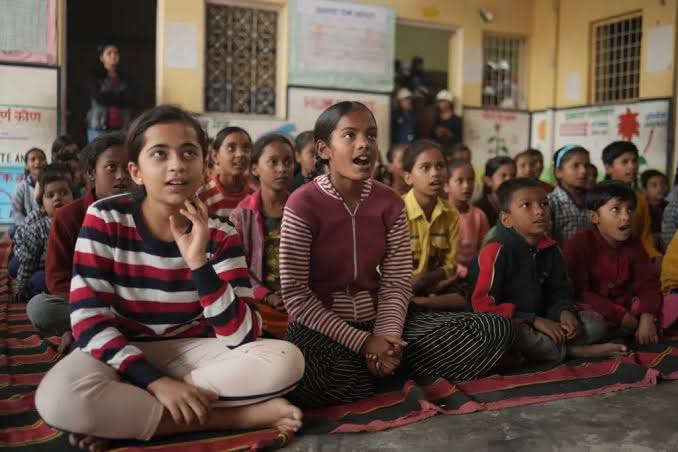
Responsible travel in corporate offsites sounds impossible, because the usual advice was written for a very different kind of trip. A company will book the good hotel, fly people in from wherever they are based and move a large group together, and none of that is going to change. What decides whether a trip was responsible is where the money went and who received it, and all of that still works even while the team stays in a five-star hotel.
This is written for whoever plans the offsite, not for the people who attend it. Almost none of it asks a company to spend less. Most of it is about changing who gets paid, which costs nothing and does not show up on the total.
Yes, but not by following the advice that usually comes with the phrase. That advice tests things a company cannot change, and it ignores the things a company can change easily.
Look at what it asks for. Travel in a smaller group. Stay with a local family or at an eco property. Use local buses and trains. Slow down. An offsite fails all four before anybody has done anything wrong.
So a company reads the list, sees that none of it applies, and stops reading. And the conversation never reaches the biggest kind of organised travel in the country.
The useful question is not how to make an offsite look like a backpacker's trip. It is what responsibility means for a trip that will always be large, comfortable and on a schedule.
People travelling on their own money and their own time. That covers somebody on their own, a couple, a family, a group of friends on a holiday they chose.
For them the advice is good. Carry a bottle. Stay in a homestay. Take the train. Bring your rubbish out. Every item is something they can decide for themselves, because they are paying and nobody else is waiting on them.
Now hand the same list to somebody planning a trip for two hundred people.
The group size comes from the headcount. The hotel comes from what the leadership team expects and what can hold that many. The flights come from where the team is based and how few days it can be away. None of those three is the planner's to decide.
That leaves two possibilities. Either every offsite ever held was irresponsible, or the test is wrong.
The test is wrong. Look at what it covers. What you buy, and what you leave behind. Those are the two things a person paying for their own trip decides, so that is what the advice is about.
A company decides something else entirely. It decides a budget and a list of suppliers.
The hotel is not where this gets decided, and treating it as the main question has held the whole conversation back.
Start with the fact that the hotel is often not a choice at all. A group of two hundred needs a property that can hold two hundred, and in a lot of destinations there is exactly one. So the hotel is usually a constraint, not a decision, which is another reason it is a poor place to judge a trip from.
Think about what actually sits on the budget. Rooms and food. Buses and flights. Sound and staging. Entertainment. Facilitators. Gifts. Activities. A photographer. Printing. Often an agency fee on top.
The hotel is a big line and a fixed one. Several of the others are neither.
Nobody has to sleep somewhere worse for any of this. That matters, because an offsite is partly a thank you. Ask a team that hit its number to stay somewhere basic in the name of being responsible, and you will lose the argument in the first meeting.
Most of it leaves the destination in the same week the group does.
The hotel group is based somewhere else. The event company flew in. The sound and lights came on a truck from the nearest big city. The band came from Mumbai. The gifts came from a catalogue with a warehouse in Delhi. The photographer travelled with everybody.
The place hosted all of it and got the room nights, some of the food, and a bit of fuel.
Nobody did anything wrong. It is just the default, and somebody set that default years ago and no one has looked at it since.
Three lines on that list can move without a single participant noticing. Gifts. Entertainment. And whatever fills the free afternoon. Between them they are often a decent share of the budget, and all three can be bought where the group is already standing.
Which is also the point where this connects to how a retreat gets designed in the first place. These are not extra items bolted onto a programme. They are the same items, bought from different people.
A gift budget is set per head and usually spent in one order, months ahead, on something with a logo on it.
The same money spent where the group is going buys something a person made. A woven stole. A block-printed cloth. Pottery, brass, cane, whatever that district actually makes. The cost per head does not have to change.
Two things follow, and both are practical.
The gift stops being generic. Everybody knows what a logo item cost and how much thought went into it. Something made where the team just spent three days is a different object. It carries the trip home.
And a craft only survives while somebody can live on it, which is what saved Raghurajpur when its painting tradition nearly died out. One corporate order can be a real part of a small workshop's year.
There is a version that goes further. Instead of ordering centrally, give each person an amount and an afternoon, and let them buy from the artisans themselves. The money reaches more hands and everybody picks their own thing.
And it turns the gift into a shared afternoon. Forty people walking the same lanes, finding different things, comparing them later. Nobody designed that as a team activity and it works better than most of the ones that were.
Most offsites have one evening with something arranged. A band, a DJ, a comedian, a performance.
Usually that act travels in. So the fee, the flights and the rooms all leave again with them.
Almost every part of India has performers who are already there. Musicians, dancers, storytellers, puppeteers, depending on where you are. They usually cost less, because there is no travel to pay for.
Two warnings, because this is easy to do badly.
A performance at the hotel is fine in itself, and the hotel is often just the room it happens in. The question is who is paid and how much of it reaches the people playing. A troupe that comes through a package is on a fee after somebody has taken a share of it. The same troupe engaged for the evening keeps more.
And an evening at the hotel is still not the same as going to where the work happens, which is the first question worth asking about any performance on an itinerary.
And a folk performance is not a filler between the awards and dinner. If it is on the programme, somebody should say what it is, and there should be enough time for it not to feel like an interruption.
Most of them are the second one, and everybody in the room knows it.
Two hours at a school. Stationery handed over. A group photo on the steps. Back to the hotel for the evening. The pictures go up on LinkedIn. The people at that school have seen it before.
Three things separate the version that works.
Somebody asked first. The need is worked out before the trip is planned, not after the venue is booked. A remote school might need textbooks. It might need a water connection. What it needs is rarely what a company would have guessed.
The contribution is the thing, not the visit. Turning up is not the gift. Whatever was asked for is the gift, and the visit is how it gets there.
Nobody is put on a list. Anyone who would rather sit out sits out. The moment attendance is tracked, it is just another item on the agenda, and everybody can tell.
There is more to it than handing something over. A group that has come from all over the country can show a class where each of them is from, on a map on the wall. Somebody can teach whatever they happen to know. A song. A quick way of doing sums. A breathing exercise. And the class can teach them a few words back.
That last bit is what stops it being charity. If the children are teaching you something, you are having a conversation.
Companies spend a lot of money creating the feeling this section is about.
Trust exercises. Sessions built to produce a moment of honesty. Games that only work if people help each other. Ropes courses, escape rooms, cook-offs. There is nothing wrong with any of it and some of it is done very well.
But all of it is a stand-in for doing something together, arranged because the group has no real shared task while it is away from work.
A group that spends a morning doing something real does not need the meaning added afterwards. People remember it without being asked to, and they talk about it later without a facilitator starting the conversation.
That is something you can watch happen. It is not a number. Anybody who tells you a school visit lifts an engagement score by a certain percentage is guessing, and the guess is not needed.
It is not, and that assumption has cost people money elsewhere in travel.
The number a place can hold is set by the place. In a forest it is set by the department after study. In a town it is set by how many rooms, vehicles and kitchens exist. A company bringing forty people somewhere that routinely handles four hundred has protected nothing by bringing forty.
The same logic is why cutting a group below what a destination can carry does not help anybody. It does not reduce the total number of visitors. It reduces the work available to the people already there.
What does matter is whether the place can take the group at that time of year, and whether anybody asked. That is a question about the destination, and picking one properly is separate work.
If a group really is too big for somewhere, the answer is a different place, not a smaller group.
Mostly nothing, because most of it is swapping one supplier for another.
A gift budget spent with artisans is the same budget. Local performers usually cost less than flying an act in. An afternoon in a workshop or a market costs less than a built activity with equipment and instructors.
Two things genuinely cost extra.
A contribution to a school or an organisation is new money. It is not large against an offsite budget, and it is real spending that was not there before.
And this takes planning time. Finding out what a school needs. Finding a workshop that can take forty people. Finding performers who are not on any agency list. That work sits with whoever plans the trip. If nobody has the time, none of it happens.
Whoever writes the supplier list decides all of this, weeks ahead.
The people attending decide almost nothing. Not the hotel, not the route, not the gifts, not the entertainment, not the activities, not whether the group meets anybody outside itself. By the time they land, all of it is booked and paid for.
This is the same pattern as travel generally, where the traveller arrives last and decides least. It is sharper here, because the gap between the person deciding and the people going is wider.
Which is good news if you are the planner. None of this depends on two hundred people remembering to behave well. The choices get made once, by one team, and everything else follows.
More of this can be checked than most companies bother to check, and less than the industry claims.
What you can actually count.
Every one of those is a number somebody already has.
Some things cannot be counted, whatever anybody tells you. Whether the trip made a difference. Whether people came back more engaged because of one morning. Whether the place is better off a year later.
None of that can be shown, so none of it should be claimed. Saying it anyway is how the word responsible stopped meaning anything.
So report the numbers you have, and leave the rest out.
Nothing anybody can enforce, which is exactly why the question is worth asking.
A place that hosts a corporate group carries the load either way. The water. The roads. The waste. The pressure on staff through a busy week. It absorbs that whether or not anybody at the company thinks about it.
What a company can do in return is not a duty. It is a set of choices about where a budget that is already committed happens to land. The question comes up at the end of choosing where to hold an offsite at all, and this is the longer answer to it.
The rooms end at checkout. The staging comes down. The band finishes. The photographs stay and usually nothing else does. An offsite that leaves something behind does not cost more. It was just arranged in a different order.
That order is what we mean by care-based travel. The decisions get made early, by the people who have the authority to make them, so everybody who arrives can just be there.
Rarely, because it is often not much of a choice. A large group needs a property that can hold it, and in many destinations there is only one that can. The hotel is usually a constraint rather than a decision, so judging a trip by it tells you very little.
Yes. The hotel is one supplier among many and the least flexible one. What decides it is where the rest of the budget goes, including gifts, entertainment, activities, transport and guides. Asking a hotel about its water, waste and power is worth doing and it is not the main question.
Mostly not, because most of it is swapping one supplier for another at the same price. A contribution to a school is genuinely new money, though small against an offsite budget. The bigger extra cost is planning time, because none of this is on an agency rate card.
Buy in the destination rather than from a catalogue, from people who make things rather than a factory, at the same cost per head. A further version gives each person an amount and an afternoon to buy from artisans directly, which spreads the money wider and turns the gifting into a shared afternoon.
Whatever the place says it is. A school with two classrooms cannot host forty people at once, and a market town handling four hundred visitors a day will not notice them. Ask the destination rather than applying a rule, and split a large group across the day if the answer is small.
What it actually needs, and when. Textbooks, a water connection, repairs, equipment. It is rarely what a company would have guessed, and asking before the trip is planned is what separates a contribution from a photo on the steps.
No. There is a real difference between people doing something because they want to and people finishing a task. Anyone who would rather sit out should be able to, without it being noticed.
The share of supplier spend that went to businesses in the destination. How much reached people directly rather than through an agency. Whether gifts were made in the region, whether performers and guides were hired there, and whether anything contributed had been asked for. All of it is already in the settlement file.
Impact in any general sense. An engagement or retention improvement you can pin on one activity. Whether a place is better off in a way that lasts past the quarter. Claiming any of it produces the kind of unverifiable line that emptied the word responsible of meaning.
Whoever writes the supplier list, weeks before anybody travels. Employees do not choose the hotel, the route, the gifts, the entertainment or whether the group meets anybody outside itself. That is good news for a planner, because none of it depends on two hundred people remembering to behave well.
Often, and usually for less, because there is no travel or rooms to pay for. Most parts of India have musicians, dancers and storytellers already there. It works best when somebody explains what the performance is and the programme leaves enough time for it not to feel like an interruption.
Longer than a standard offsite, because none of it is on a rate card. Finding out what a school needs, finding a workshop that can host a large group and finding performers who are not on any list all take time. Without that time, the trip goes back to the default supplier list.
No. A volunteering day is an extra activity, usually picked for how it will look. This is a set of choices about where an existing budget goes, made while the trip is being designed, and most of it a participant would never notice as a separate item.