
Let’s help you
plan your journey
Explore responsibly, discover offbeat places, guided by locals, rooted in culture.
Let’s help you
plan your journey
Explore responsibly, discover offbeat places, guided by locals, rooted in culture.
Soumen Bhowmick
Soumen Bhowmick founded Pollen Dots in 2024 to plan journeys across India and Bhutan. He works in the Commercial Department of Indian Railways, where he has been since 2000. From 2016 to 2020 he was Head of Business Development and Partnerships at ScoutMyTrip, a community-driven road trip planning platform. There he built a nationwide network of local Scouts who helped travellers on the road, and grew the Road Trippers Club to 16 Indian cities. As a core member of Devil On Wheels, he helped travellers plan Himalayan trips and started Spreading Smiles. He has driven solo from Arunachal to Goa and from Himachal to Karnataka, and has run his own caravan for more than ten years. His photographs have won national and international salon awards, and his writing has appeared in Outlook Traveller.
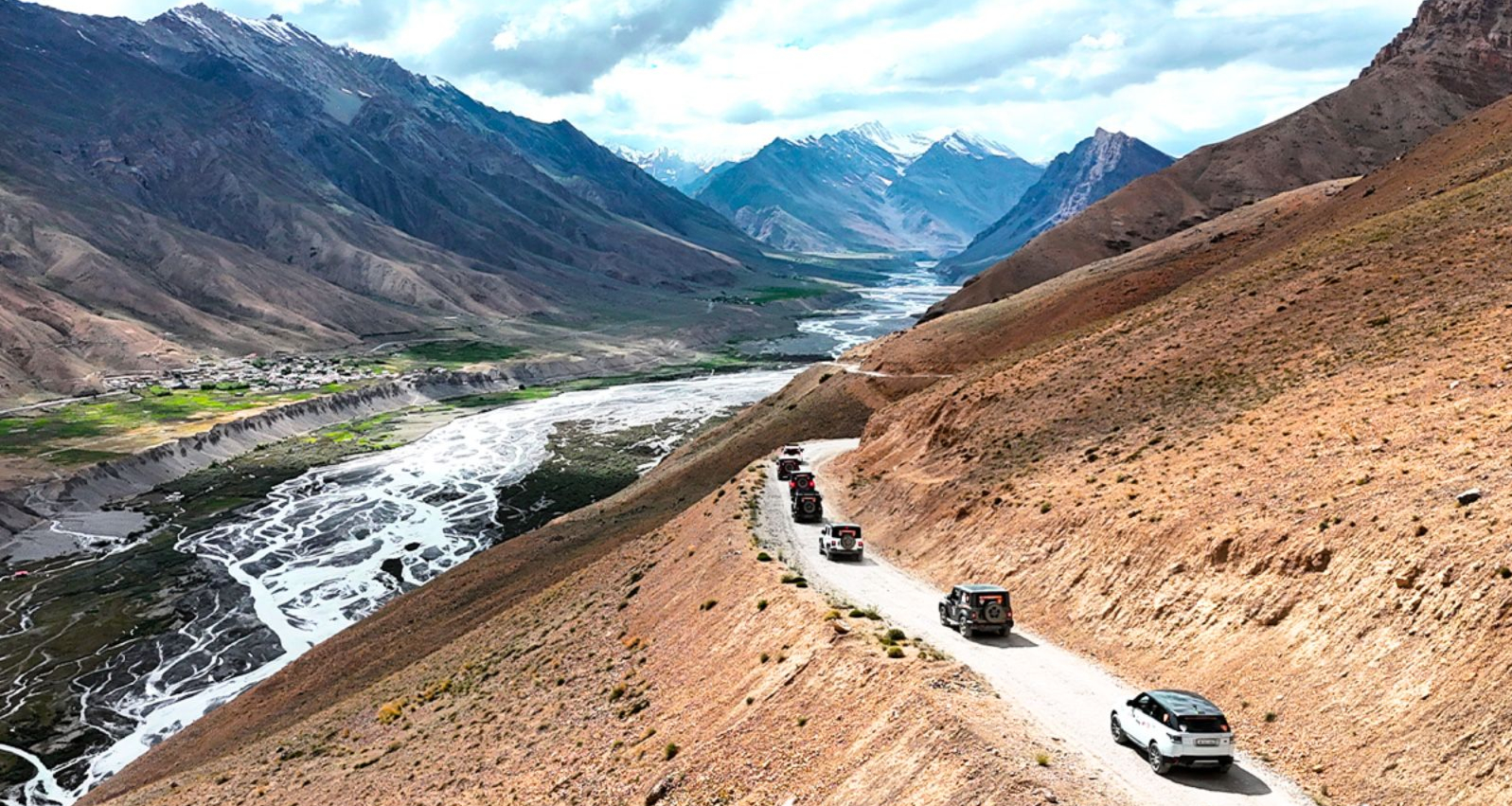
On-ground brand activation in India means marketing where real people are present, and the kind that travels is the brand road trip. A road trip across the country is priced from 10 lakh, while a celebrity ad film starts at 5 crore for the star alone. Six Indian ad films have been deleted under public pressure since 2015, and a road trip cannot be deleted because the brand does not own the coverage.
Both sets of prices are published by the people who charge them. This article puts them side by side, then adds the one risk that never appears in an agency deck.
Marketing where real people meet the product. A test drive. A demonstration. A trade fair. A journey.
Indian agencies call it BTL, short for below the line. Same work, different name.
The kind that travels is the brand road trip. Journalists, creators or both spend several days on a route with the product, and what they publish afterwards is written by them, not by the brand. That is the version priced here, because it is the one a brand weighs against an ad film when a budget is decided.
From about 10 lakh for a route that crosses the country. The largest programmes pass a crore.
Four things move the price. The days on the road. The vehicles in the convoy, including the support vehicles nobody photographs. The guests aboard, and whether they are journalists, creators or both. And how remote the route runs.
Different formats sit at different points in that range, because a launch drive, a dealer drive and an expedition run for different lengths with different people. The article on brand road trip formats sets out which is which.
Now set that range against the other bill.
Crores, in three bills, and the star's fee is only the first.
The fee. A top Bollywood name charges 5 to 15 crore a year. Virat Kohli is quoted at 7 to 11 crore, Alia Bhatt at 6 to 9 crore. A rising name runs 50 lakh to 3 crore, and a regional star runs 20 lakh to 2 crore. GST of 18 per cent is added on top, and the brand pays it. On a 5 crore deal, the tax alone is 90 lakh.
The film. With a star in the 3 to 5 crore range, production lands between 5 and 9 crore. Without a star, the same film can be made for under a crore. The gap between those two numbers is what the star actually costs.
The airtime. Ten seconds in a prime slot on a national channel costs 1.5 to 4 lakh. A campaign needs many slots across many weeks, so the airtime bill usually ends up bigger than the film.
Put the three bills together and set them beside the road trip range. A brand can put a convoy through a dozen towns for less than the tax on one star's contract.
The film does one job better, and it should be said plainly. It reaches far more people, far faster, for each rupee. A brand that needs the whole country to know its product by next month should buy the film. A convoy cannot do that.
It can be forced off air with the money already spent. That has happened to six major Indian campaigns.
Kalyan Jewellers withdrew an Aishwarya Rai campaign in 2015. Tanishq withdrew its Ekatvam film in 2020. Sabyasachi withdrew a mangalsutra campaign in 2021, after a state home minister gave a public 24-hour ultimatum. Dabur withdrew a Karva Chauth film for Fem the same month. Zomato withdrew a Hrithik Roshan film in 2022. GIVA withdrew its Raksha Bandhan film with Kriti Sanon in August 2026, in the week the jewellery was meant to sell.
The Zomato case shows how little a brand's side of the story counts. Priests objected to the film's use of the word Mahakal. Zomato explained that Mahakal was a restaurant in Ujjain, not the temple. The explanation was true. Zomato deleted the film and apologised anyway.
Not every film comes down. Manyavar's Kanyamaan with Alia Bhatt drew heavy anger and stayed up. But in every case it is the brand deciding, under pressure, in public, with the crores already spent. And when a festive film is deleted mid-festival, as GIVA's was, the season's spend and the season's shelf go together.
Here is why this risk belongs in a cost comparison. The film can be deleted because the brand owns it. Road trip coverage is published by journalists and creators on their own accounts and publications. The brand cannot delete it, and nobody can demand the brand delete it, because it was never the brand's to delete.
A road trip can be criticised like anything else. It cannot be erased, and it is not one file.
The film stops when the airtime stops. Nothing of it remains in the market the following week.
Road trip coverage stays where its writers put it, on their own publications and accounts. That is why coverage from brand road trips is still being found years after the campaigns ended.
The two also produce different things while they run. A film says one thing, written by the brand, many times. A journey gives twenty people four days of things to notice, and each writes their own. What people produce depends on where you put them, which is the Journey Environment Principle.
So the year-end count is simple. How many pieces are still online with the product in them. How many of the people who travelled would travel again. How many mention the brand without being asked. A film scores zero on all three, because it was never built to score on them.
What the journey should be about in the first place decides everything above, and that question has its own tests.
Marketing where real people are present with the product. Test drives, demonstrations, trade fairs and brand road trips all count. Indian agencies also call it BTL, short for below the line, and mean the same work.
A route crossing the country is priced from about 10 lakh, and the largest programmes pass a crore. The price moves with the days on the road, the size of the convoy, the guests aboard and how remote the route runs.
A top Bollywood name charges 5 to 15 crore a year. Virat Kohli is quoted at 7 to 11 crore and Alia Bhatt at 6 to 9 crore. A rising name runs 50 lakh to 3 crore, and a regional star runs 20 lakh to 2 crore.
Yes. GST of 18 per cent is added to the fee and the brand pays it. On a 5 crore endorsement, the tax alone is 90 lakh.
With a celebrity in the 3 to 5 crore range, production lands between 5 and 9 crore. Without a star, the same film can be made for under a crore.
Ten seconds in a prime slot on a national channel costs 1.5 to 4 lakh. A campaign needs many slots across many weeks, so the airtime bill usually ends up bigger than the cost of making the film.
In total, yes, by a wide margin. The three bills of a national celebrity campaign run into crores, while a road campaign through many towns starts around 10 lakh. The film is only cheaper when the cost is divided by the number of people it reaches.
Kalyan Jewellers in 2015 and Tanishq's Ekatvam in 2020. Sabyasachi's mangalsutra campaign and Dabur's Karva Chauth film for Fem both came down in 2021. Zomato's Hrithik Roshan film followed in 2022, and GIVA's Raksha Bandhan film in August 2026.
No. The coverage is published by journalists and creators on their own accounts and publications, so the brand cannot delete it and nobody can demand the brand delete it. It was never the brand's to delete.
When the whole country needs to know the product quickly. A film reaches far more people, far faster, for each rupee spent. No road campaign works at that speed.
Everything the journalists and creators published. It stays on their own accounts and publications for years, while an ad campaign leaves nothing in the market once the airtime stops.
How many pieces are still online with the product in them, how many of the people who travelled would travel again, and how many mention the brand without being asked. All three can be counted by the brand itself.