
Let’s help you
plan your journey
Explore responsibly, discover offbeat places, guided by locals, rooted in culture.
Let’s help you
plan your journey
Explore responsibly, discover offbeat places, guided by locals, rooted in culture.
Soumen Bhowmick
Soumen Bhowmick founded Pollen Dots in 2024 to plan journeys across India and Bhutan. He works in the Commercial Department of Indian Railways, where he has been since 2000. From 2016 to 2020 he was Head of Business Development and Partnerships at ScoutMyTrip, a community-driven road trip planning platform. There he built a nationwide network of local Scouts who helped travellers on the road, and grew the Road Trippers Club to 16 Indian cities. As a core member of Devil On Wheels, he helped travellers plan Himalayan trips and started Spreading Smiles. He has driven solo from Arunachal to Goa and from Himachal to Karnataka, and has run his own caravan for more than ten years. His photographs have won national and international salon awards, and his writing has appeared in Outlook Traveller.
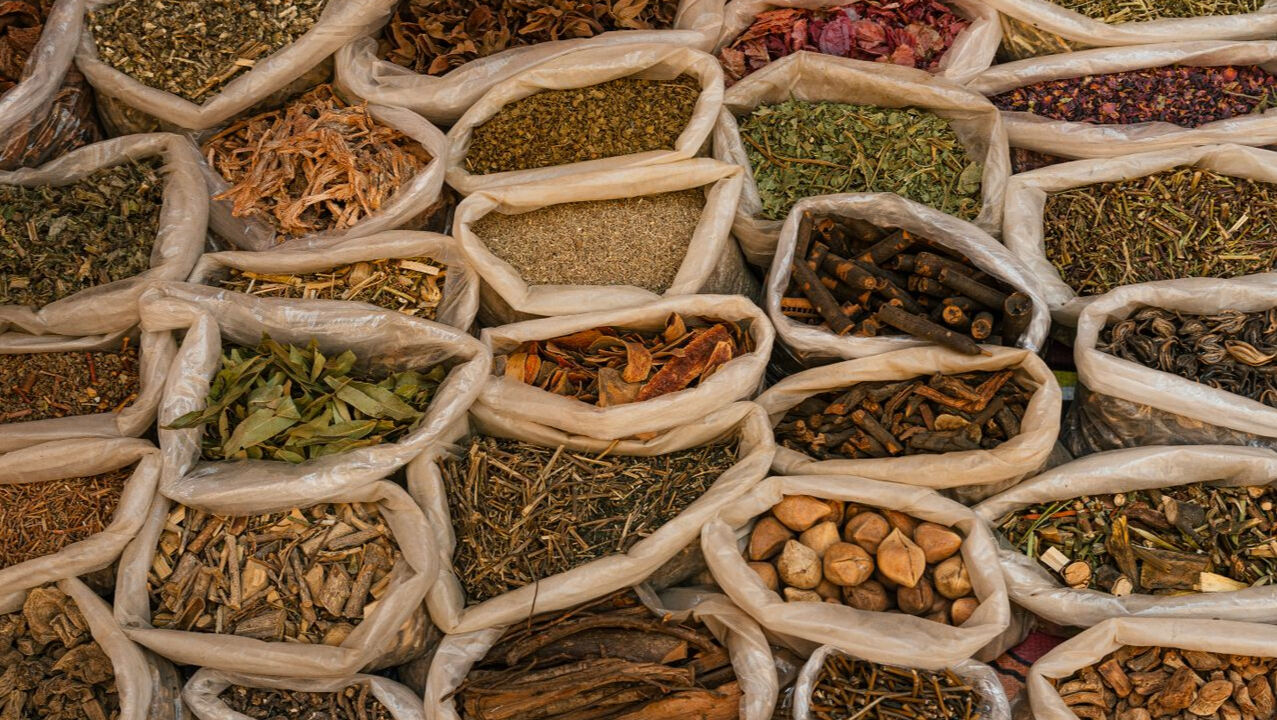
Anyone working out what to buy in the Western Ghats will end up with food and drink rather than crafts. These hills grow four of the five Indian coffees that carry a GI tag, which is a legal mark tying a name to one place. Ask for the name and the district together, and you will get the real thing.
A GI tag is a public record anyone can look up. It says that a product with that name comes from a set area and is made in a set way. Without the tag, a name on a packet is only a word. A short guide to getting ready for a trip in India covers everything else to sort out before you travel.
Five of them, and four grow in the Western Ghats. The fifth, Araku Valley Arabica, grows in the Eastern Ghats on the other side of the country.
Monsooned Malabar coffee has a tag of its own. It is made on the Kerala coast, not up in the hills.
In the Baba Budan hills above Chikmagalur. The hills are named after the man said to have brought the first coffee seeds into the country.
Bababudangiris Arabica has a protected name for the same reason. Coffee has been grown on those slopes longer than anywhere else in India.
Two of the four hill coffees come from this one district. If you only have time for one coffee stop, make it this one.
Most estates here will show you around if you ask first. Picking season, from November to February, is the best time to see the work.
A kilo of coffee from one estate, bought in the district where it grew. It packs flat, it keeps for months, and the name on the bag means something.
If you want something other than coffee, here are the other hill names and where they come from.
Green cardamom grown in Kodagu district in Karnataka. It has its own GI tag, and the tag covers that district only.
Kerala has a separate cardamom name, Alleppey Green Cardamom. The name comes from the port where cardamom was sorted and sold, not from the fields it grew in.
Both are green cardamom and both come from these hills. The names do different jobs, so ask which one you are being sold.
Coffee is picked between about November and February. The new crop reaches estate shops near the end of that window.
Coorg oranges are picked from about November to January. The season is short, so this is a winter buy.
Cardamom and pepper are dried and sold all year, so the month matters less for those.
Tea is picked all year in the Nilgiris. The leaf picked between December and February is the one most buyers look for.
At the estates and in the small town markets. No single market sells everything, because each name belongs to its own district.
Ask for the estate name and the crop year. A bag with both costs more and is worth it. Our seven day journey through coastal Karnataka and the Western Ghats runs through this coffee country. Journeys Just for You does the same on your own dates.
Five. Coorg Arabica, Chikmagalur Arabica, Bababudangiris Arabica, Wayanad Robusta and Araku Valley Arabica. Four of them grow in the Western Ghats. Araku Valley grows in the Eastern Ghats.
No. They are two separate names with two separate tags. Coorg Green Cardamom comes from Kodagu in Karnataka. Alleppey Green Cardamom is named after a port in Kerala where the spice was traded.
In Chikmagalur district in Karnataka. It is the group of hills where coffee growing in India began. The coffee from there has a protected name of its own.
About November to January. The fruit has a GI tag of its own and the picking season is short, so it is a winter buy.
Loose coffee with no estate name and no crop year. If the seller cannot tell you the district and the estate, the famous name on the sack means nothing.