
Let’s help you
plan your journey
Explore responsibly, discover offbeat places, guided by locals, rooted in culture.
Let’s help you
plan your journey
Explore responsibly, discover offbeat places, guided by locals, rooted in culture.
Soumen Bhowmick
Soumen Bhowmick founded Pollen Dots in 2024 to plan journeys across India and Bhutan. He works in the Commercial Department of Indian Railways, where he has been since 2000. From 2016 to 2020 he was Head of Business Development and Partnerships at ScoutMyTrip, a community-driven road trip planning platform. There he built a nationwide network of local Scouts who helped travellers on the road, and grew the Road Trippers Club to 16 Indian cities. As a core member of Devil On Wheels, he helped travellers plan Himalayan trips and started Spreading Smiles. He has driven solo from Arunachal to Goa and from Himachal to Karnataka, and has run his own caravan for more than ten years. His photographs have won national and international salon awards, and his writing has appeared in Outlook Traveller.
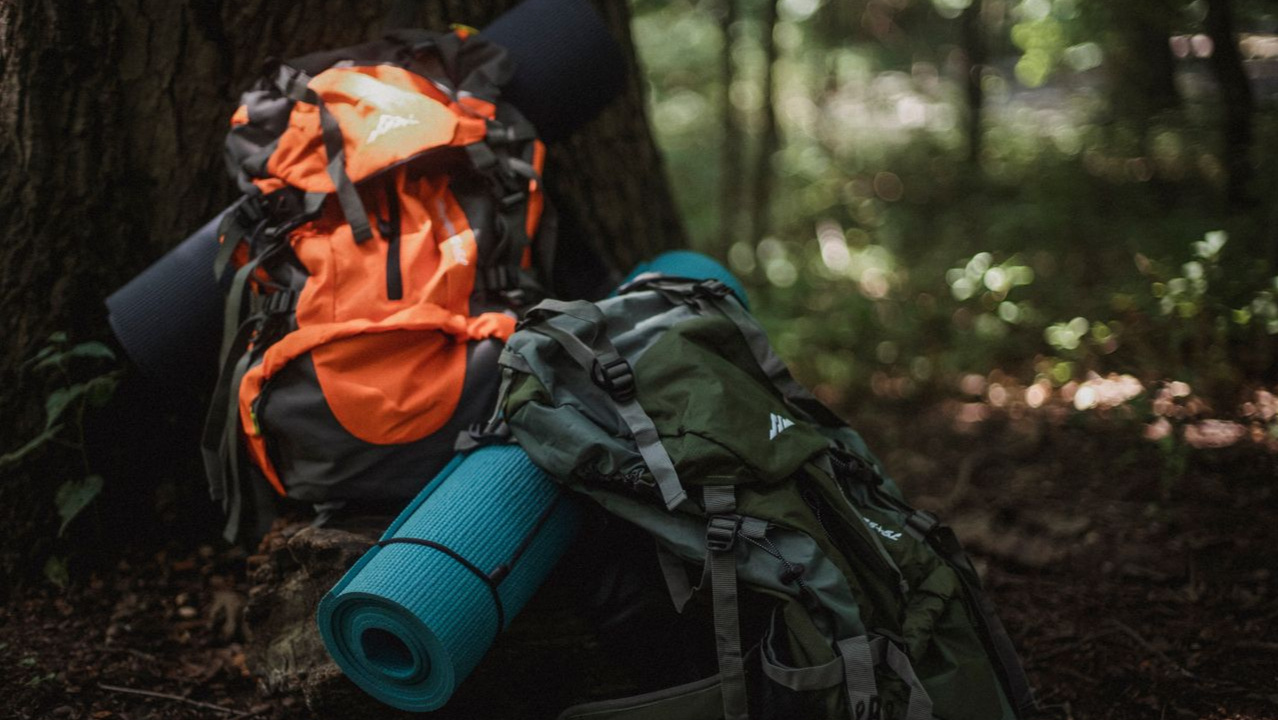
A packing list for the Western Ghats has to deal with rain, leeches and cold nights up on a ridge. Agumbe, a village in these hills, gets about 7,620 millimetres of rain in a year, and the first rain gauge there was put up by the British in 1882. Pack for wet feet, covered legs and one warm layer, and the rest is easy.
The hills run through six states and the bag is much the same in all of them. What changes from month to month is how long you stay wet. A short guide to getting ready for a trip in India covers the bookings, papers and offline maps you need first.
Light clothes for the day, one warm layer for the night, and shoes that grip. The ground here stays slippery long after the rain stops.
Cover your legs and tuck your trousers in. Leeches live in these forests all year, and there are many more of them in the rains and just after, through October and November.
A leech bite is not dangerous. It is just messy, and it is the reason nobody walks here in sandals.
Pull a leech off gently or touch it with salt. Do not burn it off, because that makes the bite worse.
Things that dry fast and bags that keep water out. June to September is heavy rain, day after day.
Your permit, two litres of water and your own food. There is no shop, no tap and no camping inside the park.
Our seven day journey through coastal Karnataka and the Western Ghats handles the permits and the timing for you. Journeys Just for You does the same on your own dates.
An umbrella. The wind on these slopes turns it inside out, and a hood leaves both your hands free.
Heavy leather boots are the other thing to leave. They soak up water, they take days to dry in this air, and a lighter shoe with grip is better on wet rock.
A big suitcase is no use either. Hill roads are narrow and most stays are a walk from where the car stops, so a soft bag is easier to carry.
Plastic bottles and packet snacks are checked at some forest gates in Karnataka. Carry as little packaging as you can, and carry it back out.
Drones are the other thing to leave behind. Flying one over a national park or a sanctuary needs written permission, and nobody at the gate can give it to you.
In the rains and through October and November, yes. Leeches live in these forests all year and there are far more of them in wet months. Leech socks worn over your trousers work better than anything else.
One light layer is usually enough. The peaks go past 1,900 metres in Karnataka and higher in Kerala. Nights at that height are cold even when the coast below is warm.
A light shoe with good grip. Wet rock is the problem here, not rough ground, and heavy boots take days to dry. Carry a second pair and keep them in a separate bag.
Usually not. Kudremukh shuts from about mid June to the end of September, and Pushpagiri is shut from June to September. Permits stop in heavy rain, so check that the gate is open before you travel.