
Let’s help you
plan your journey
Explore responsibly, discover offbeat places, guided by locals, rooted in culture.
Let’s help you
plan your journey
Explore responsibly, discover offbeat places, guided by locals, rooted in culture.
Soumen Bhowmick
Soumen Bhowmick founded Pollen Dots in 2024 to plan journeys across India and Bhutan. He works in the Commercial Department of Indian Railways, where he has been since 2000. From 2016 to 2020 he was Head of Business Development and Partnerships at ScoutMyTrip, a community-driven road trip planning platform. There he built a nationwide network of local Scouts who helped travellers on the road, and grew the Road Trippers Club to 16 Indian cities. As a core member of Devil On Wheels, he helped travellers plan Himalayan trips and started Spreading Smiles. He has driven solo from Arunachal to Goa and from Himachal to Karnataka, and has run his own caravan for more than ten years. His photographs have won national and international salon awards, and his writing has appeared in Outlook Traveller.
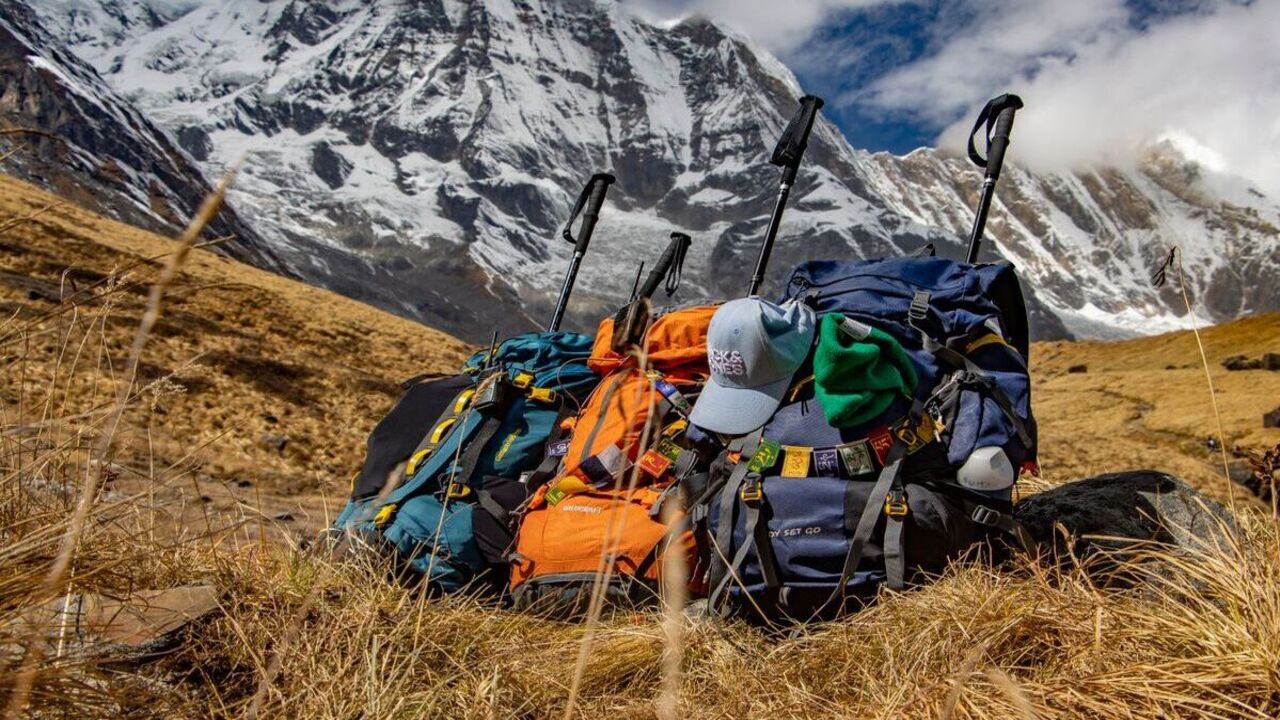
Sun and cold arrive together in Spiti, which is what a packing list for Spiti has to deal with on top of the season. The valley sits in the rain shadow of the main Himalaya, so what you wear at 3,600 metres changes between a sunlit wall and its shadow. Carry layers for the drive, thermals for winter, and leave the single heavy coat at home.
Most of what applies anywhere in the country still applies here. The guide to preparing for travelling in India handles that part, and the altitude and the cold desert add the rest.
The constants, whatever month you arrive in.
Thin air does not hold heat, so the clothing has to rather than the day. Three light layers beat one thick one in every month of the year.
Spiti is mostly road, and the road is the part people underpack for. Two long days of mountain driving sit at either end of the trip.
November to April. Dry, bright, and cold in a way the daytime sun disguises completely.
A short list, and the first one is the mistake most people make.
Nothing here is exotic and the quantities are what people get wrong. Our eleven day high-altitude journey through Spiti moves between village homestays where the room is only as warm as what you brought. Customised tours is where the packing gets matched to the month you are actually travelling in.
Three light layers rather than one heavy coat, in every month of the year. A base layer, a fleece and a windproof shell let you deal with a sunlit afternoon and a cold shadow an hour apart. Long trousers are the practical choice for monastery visits, sun and dust alike.
Not usually. Homestays and guesthouses provide heavy quilts and most travellers find them enough. A sleeping bag liner is the better compromise in winter, because it adds warmth and takes almost no space in a bag that is already full of layers.
Cold enough that thermals and a properly insulated jacket are not optional from November to April. The days are dry and bright and the sun is deceptive, and the temperature drops hard once it leaves the valley floor. Most homestays heat one room with a bukhari stove rather than the whole building.
Whatever you normally take, in the vehicle cabin rather than in the luggage on the roof, plus a basic kit for headache, stomach upset and cuts. Anything you plan to take for altitude is worth discussing with a doctor before you travel rather than buying on the way. Pharmacies in the valley are limited to Kaza.