
Packing List for Uttarakhand: Hills, Shrines and the Monsoon

6 minutes read
Tips

About the Author

Soumen Bhowmick

Soumen Bhowmick founded Pollen Dots in 2024 to plan journeys across India and Bhutan. He works in the Commercial Department of Indian Railways, where he has been since 2000. From 2016 to 2020 he was Head of Business Development and Partnerships at ScoutMyTrip, a community-driven road trip planning platform. There he built a nationwide network of local Scouts who helped travellers on the road, and grew the Road Trippers Club to 16 Indian cities. As a core member of Devil On Wheels, he helped travellers plan Himalayan trips and started Spreading Smiles. He has driven solo from Arunachal to Goa and from Himachal to Karnataka, and has run his own caravan for more than ten years. His photographs have won national and international salon awards, and his writing has appeared in Outlook Traveller.
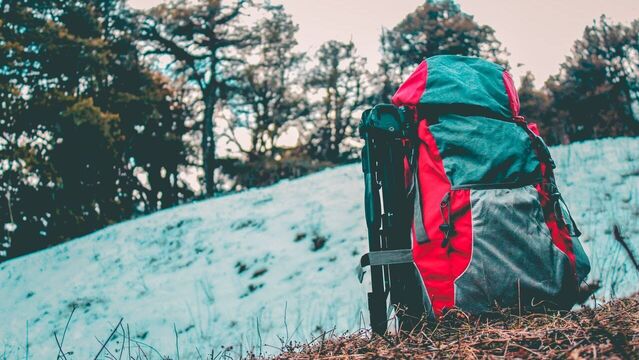
Blog Image

A packing list for Uttarakhand has to work at two altitudes, because the hill towns sit under 2,300 metres and the shrines sit above 3,100. The state recommends a pulse oximeter on the Char Dham ascent and treats a reading under 90 percent as a reason to reach a Medical Relief Post. Pack layers for the hills by season, shoes for a trek, and the paperwork the medical rule asks for.

Most Uttarakhand lists are written for one kind of trip, usually a hill station week. The useful one covers both halves of the state, because a Kumaon itinerary and a Char Dham itinerary need different bags. The guide to preparing for travelling in India carries the general kit, and this adds what the hills need.

Packing list for Uttarakhand

The core list, which holds for any month and either division.

  • Shoes with grip and ankle support, already worn in. Not new, and not sandals.
  • A warm layer that compresses. Fleece or a light down jacket.
  • A waterproof outer layer with a hood, not an umbrella.
  • Two pairs of thick socks and two pairs of thin ones.
  • A cap for sun and a warm cap for the evening.
  • Sunscreen at a high factor, and lip balm. The sun at 3,000 metres burns faster than the temperature suggests.
  • A one litre bottle you refill rather than bottled water bought by the case.
  • A torch or head torch. Power cuts are routine in the smaller hill towns.
  • A day bag for the walking, separate from your main luggage.
  • Cash in small notes. Card machines thin out above Rudraprayag and Almora both.

How cold it gets in the Uttarakhand hills by season

Colder than most people pack for, and the gap between day and night is the part that catches them out.

  • March to June. Pleasant by day in the hill towns, cold after dark. A warm layer belongs in the bag even in June.
  • The shrines in May. Close to freezing at night at Kedarnath and Badrinath, which is the season they open in.
  • July to mid-September. Warm, wet and persistent. Everything cotton stays wet for days.
  • October and November. The clearest months and the start of real cold. Thermals from late October.
  • December to February. Snow in the higher towns, and Auli is a ski resort for a reason.
  • The working rule. Three thin layers beat one thick coat. You will shed two of them by mid-morning.

What to carry for a temple visit or a trek

Two different lists that overlap, and most Uttarakhand itineraries include both.

  • Full-length trousers and sleeves. These are working temples and the dress code is observed.
  • Slip-on shoes. Footwear comes off at the temple courtyards, so something you can step out of helps.
  • A scarf or stole. Covers your head at the shrine and your neck on the walk.
  • A walking stick. Sold at the trailheads if you would rather not carry one from home.
  • A rain cover for the day bag, separate from your own rain layer.
  • Dry snacks with salt and sugar. Nuts, dates, glucose biscuits.
  • A spare pair of socks in a plastic bag. This matters more on a wet stone path than it sounds.
  • Blister plasters, applied before the blister rather than after.

The longest walks in the state are the Kedarnath route at about 18 kilometres from Gaurikund, the Valley of Flowers at about 17 from Govindghat, and Gaumukh at about 18 beyond Gangotri. Our Char Dham and Panch Prayag journey places the walking days where there is time for them.

What the altitude and the Char Dham medical rule add

The hill towns ask nothing of your kit. The shrines add a short list of things that stop being optional.

  • A pulse oximeter. Recommended by the state by name, and it weighs almost nothing.
  • Your medical fitness certificate, printed and on your phone, if you are over 55 or have a heart, hypertension, asthma or diabetes history.
  • Your Char Dham registration slip or QR code, printed as well as saved.
  • The medicines you already take, in original packaging, with a copy of the prescription.
  • A basic first aid kit. Plasters, antiseptic, painkillers, rehydration salts.
  • Your own doctor's number. The Medical Relief Posts screen, they do not know your history.
  • A forest permit, if Gaumukh is on the plan. From the Divisional Forest Officer at Uttarkashi or the forest office at Gangotri.

What to leave behind

  • A single heavy coat as your only warm layer. Wrong in the valley and not enough at the shrine.
  • New shoes. The long walks here will find every seam.
  • A suitcase with hard wheels. The last stretches are steps and gravel.
  • Drones. Flying them over the shrines is not permitted.
  • Single-use plastic. The state restricts it and the hills carry what you leave.
  • Only summer clothes, in any month. This is the most common error on a Uttarakhand trip.
  • A packed schedule. The roads and the weather will edit it.

Nothing on this list is unusual, which is the point. The bag that fails in Uttarakhand is the one packed for a hill station and then asked to climb to 3,500 metres. Customised tours is where the walking days and the medical paperwork get settled before anyone packs.


Also Read

  1. Things to Know Before Planning a Trip to Uttarakhand
  2. Respecting Local Customs: Everyday Etiquette for Care-Based Travellers
  3. Understanding the Land: How Ecology Shapes Local Life

Frequently Asked Questions

What should I wear in Uttarakhand?

Three thin layers rather than one thick coat, with full-length trousers and sleeves for the temples. Hill towns are pleasant by day and cold after dark in every month. At Kedarnath and Badrinath the night temperature drops close to freezing even in May.

Do I need trekking shoes for Uttarakhand?

Shoes with grip and ankle support, worn in before you travel, if the plan includes Kedarnath, the Valley of Flowers or Gaumukh. Those walks run to roughly 17 or 18 kilometres each. For a Kumaon hill town itinerary, a sturdy walking shoe is enough.

Should I carry a pulse oximeter in Uttarakhand?

Yes, if the Char Dham is on your itinerary. The state recommends one by name and treats a reading below 90 percent saturation as the signal to reach the nearest of the 20 Medical Relief Posts on the trekking routes. For the hill towns it is unnecessary.

What should I not pack for Uttarakhand?

Only summer clothes, which is the most common error in any month. Also a single heavy coat as your only warm layer, new shoes, hard-wheeled suitcases, drones and single-use plastic. Layers beat weight on every itinerary in this state.


Leaving Pollen Dots You are about to visit the following url Invalid URL

Loading...
Comments


Comment created and will be displayed once approved.