
Let’s help you
plan your journey
Explore responsibly, discover offbeat places, guided by locals, rooted in culture.
Let’s help you
plan your journey
Explore responsibly, discover offbeat places, guided by locals, rooted in culture.
Soumen Bhowmick
Soumen Bhowmick founded Pollen Dots in 2024 to plan journeys across India and Bhutan. He works in the Commercial Department of Indian Railways, where he has been since 2000. From 2016 to 2020 he was Head of Business Development and Partnerships at ScoutMyTrip, a community-driven road trip planning platform. There he built a nationwide network of local Scouts who helped travellers on the road, and grew the Road Trippers Club to 16 Indian cities. As a core member of Devil On Wheels, he helped travellers plan Himalayan trips and started Spreading Smiles. He has driven solo from Arunachal to Goa and from Himachal to Karnataka, and has run his own caravan for more than ten years. His photographs have won national and international salon awards, and his writing has appeared in Outlook Traveller.
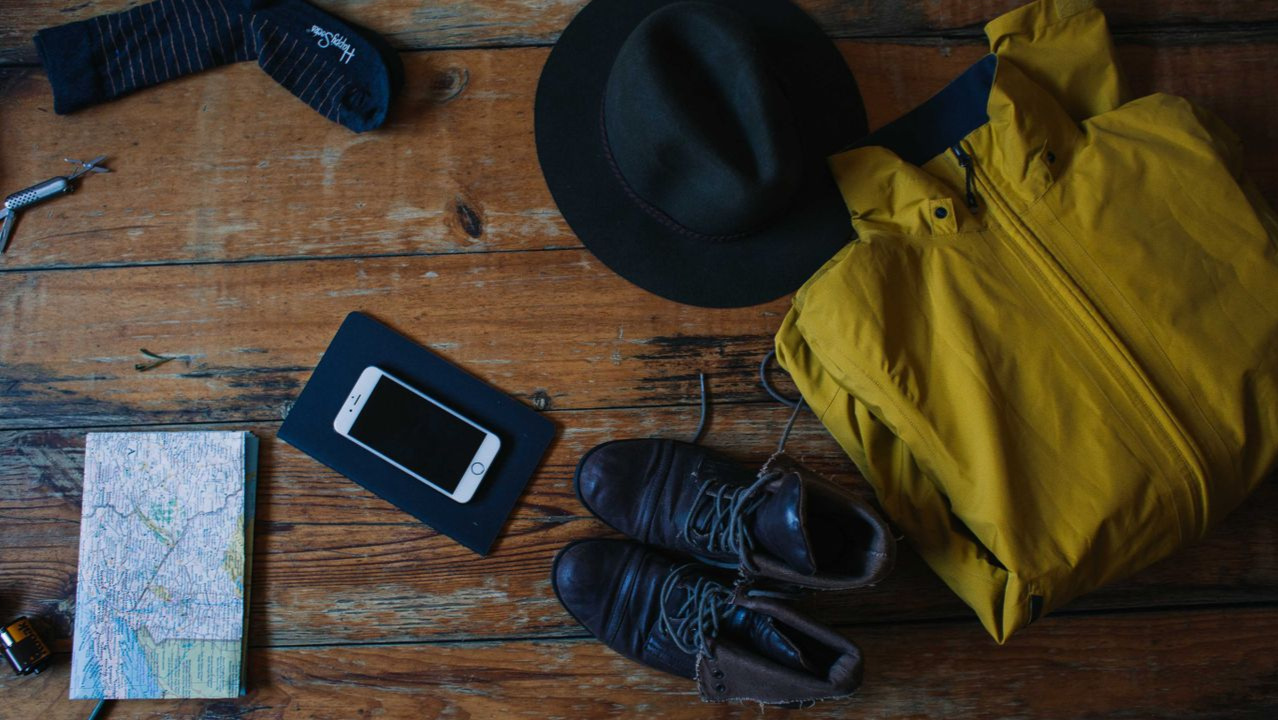
Fifteen degrees separate the day from the night in Rajasthan, which is what a packing list for Rajasthan has to solve before anything else. That gap holds in summer and in winter alike, so the layers come off and go back on at the same hours in May as in January. Pack for sun, for dust, and for one night that will be colder than the brochure suggested.
Most of what applies anywhere in the country applies here too. The guide to preparing for travelling in India takes that part, and the desert adds the rest.
The constants, whatever month you arrive in.
Covered and loose beats bare and tight, for the sun as much as for anything else. The same outfit will not carry you from a fort at noon to a camp at midnight.
From April the heat is a schedule problem with a kit attached. These are the things that make the difference between a hard day and a short one.
December to February. Warm days, and nights that reach single figures in the west.
A short list, and the first one is the mistake that recurs.
None of this is unusual and the error is almost always the same one. Our eleven day journey through Marwar and the Thar Desert includes nights where the temperature drops away from the towns. Customised tours is where the packing gets matched to the month you are actually travelling in.
Loose cotton in light colours, long rather than short, with a layer for the evening in every month of the year. Long sleeves are cooler than bare arms in direct sun, and long trousers or a skirt work better on hot fort stone. A scarf covers your head at a temple and your face in dust.
Yes, from October to March, and more than people expect. Mean winter lows in the west run roughly 7 to 11 degrees and a desert camp is colder than a town. A proper jacket, a hat and thick socks turn an uncomfortable night into an ordinary one.
Shoulders and knees covered, and shoes that come off easily, because they come off at the threshold. A scarf or stole is the simplest solution for covered shoulders and a covered head. Nothing with a loud slogan, which is noticed more in the smaller towns than in the cities.
Two to three litres a day in the cooler months and more in the heat, carried rather than bought as you go. Oral rehydration salts weigh nothing and are worth having from April onwards. A refillable bottle of two litres or more is the single most useful thing in the bag.