
Let’s help you
plan your journey
Explore responsibly, discover offbeat places, guided by locals, rooted in culture.
Let’s help you
plan your journey
Explore responsibly, discover offbeat places, guided by locals, rooted in culture.
Soumen Bhowmick
Soumen Bhowmick founded Pollen Dots in 2024 to plan journeys across India and Bhutan. He works in the Commercial Department of Indian Railways, where he has been since 2000. From 2016 to 2020 he was Head of Business Development and Partnerships at ScoutMyTrip, a community-driven road trip planning platform. There he built a nationwide network of local Scouts who helped travellers on the road, and grew the Road Trippers Club to 16 Indian cities. As a core member of Devil On Wheels, he helped travellers plan Himalayan trips and started Spreading Smiles. He has driven solo from Arunachal to Goa and from Himachal to Karnataka, and has run his own caravan for more than ten years. His photographs have won national and international salon awards, and his writing has appeared in Outlook Traveller.
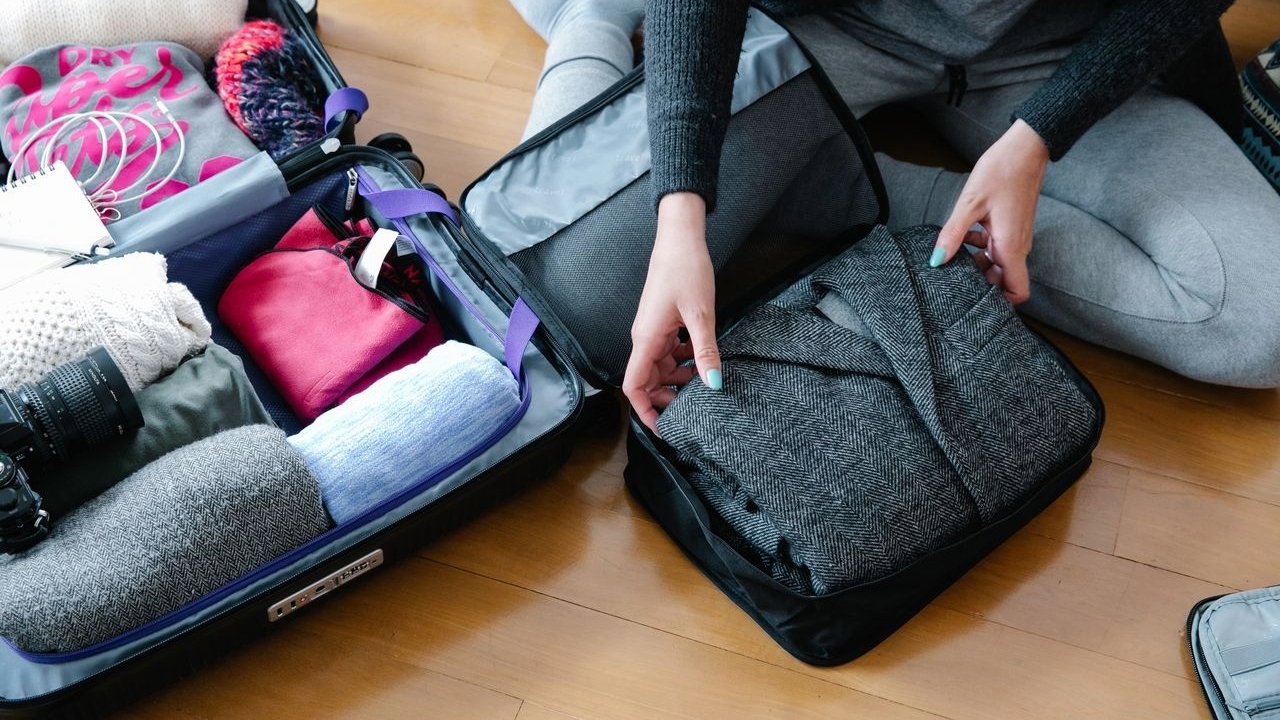
Bare shoulders and shorts are turned away at a dzong door, so a packing list for Bhutan has to clear a dress code before it clears the weather. The valleys sit between 2,200 and 3,100 metres and the passes go higher, so a bright afternoon and a cold morning happen on the same day. Pack for layers, for a long climb to the Tiger's Nest, and for one set of clothes you can walk into a temple wearing.
Most trips in start on the Indian side. The guide to preparing for travelling in India deals with that leg and nothing beyond the border.
The constants, whatever month you arrive in.
This is the one section that is not advice. A dzong is a working government building and a monastery, and the dress code is applied at the door.
Paro Taktsang is a sustained climb on a dirt path with a long stepped section near the end, and it takes most of a morning.
December to February. Dry, bright and genuinely cold once the sun is off the valley floor.
A short list, and two of these are rules rather than preferences.
The dress code does more damage to an itinerary here than the weather does, because a morning at a dzong cannot be rescheduled around a wardrobe. Our nine day journey through the valleys of Bhutan is built around the climbs and the dzong hours, and customised tours is where a list like this gets matched to real dates.
Long trousers or a long skirt and a top that covers the shoulders. Shorts and sleeveless tops are refused at the door. Hats come off inside and shoes come off at a temple threshold, so slip-on footwear saves time across a day of several visits.
Not boots, but proper shoes with grip rather than sandals or thin trainers. The path is dirt, loose in places, and stepped near the end. Poles help more on the way down than on the way up, and the altitude makes the whole thing harder than the distance suggests.
Cold enough at night to need thermals and a proper insulated jacket from December to February, even though the days are dry and bright. Both sit higher than Paro and Thimphu. Heating is not universal outside the larger hotels, so sleep warm rather than expect the room to be.
Not without written clearance arranged in advance, and that is best handled before you travel rather than at the border. The same forward planning applies to tobacco, which is taxed on entry in personal quantities, and to single-use plastic, which is restricted.