
Let’s help you
plan your journey
Explore responsibly, discover offbeat places, guided by locals, rooted in culture.
Let’s help you
plan your journey
Explore responsibly, discover offbeat places, guided by locals, rooted in culture.
Soumen Bhowmick
Soumen Bhowmick founded Pollen Dots in 2024 to plan journeys across India and Bhutan. He works in the Commercial Department of Indian Railways, where he has been since 2000. From 2016 to 2020 he was Head of Business Development and Partnerships at ScoutMyTrip, a community-driven road trip planning platform. There he built a nationwide network of local Scouts who helped travellers on the road, and grew the Road Trippers Club to 16 Indian cities. As a core member of Devil On Wheels, he helped travellers plan Himalayan trips and started Spreading Smiles. He has driven solo from Arunachal to Goa and from Himachal to Karnataka, and has run his own caravan for more than ten years. His photographs have won national and international salon awards, and his writing has appeared in Outlook Traveller.
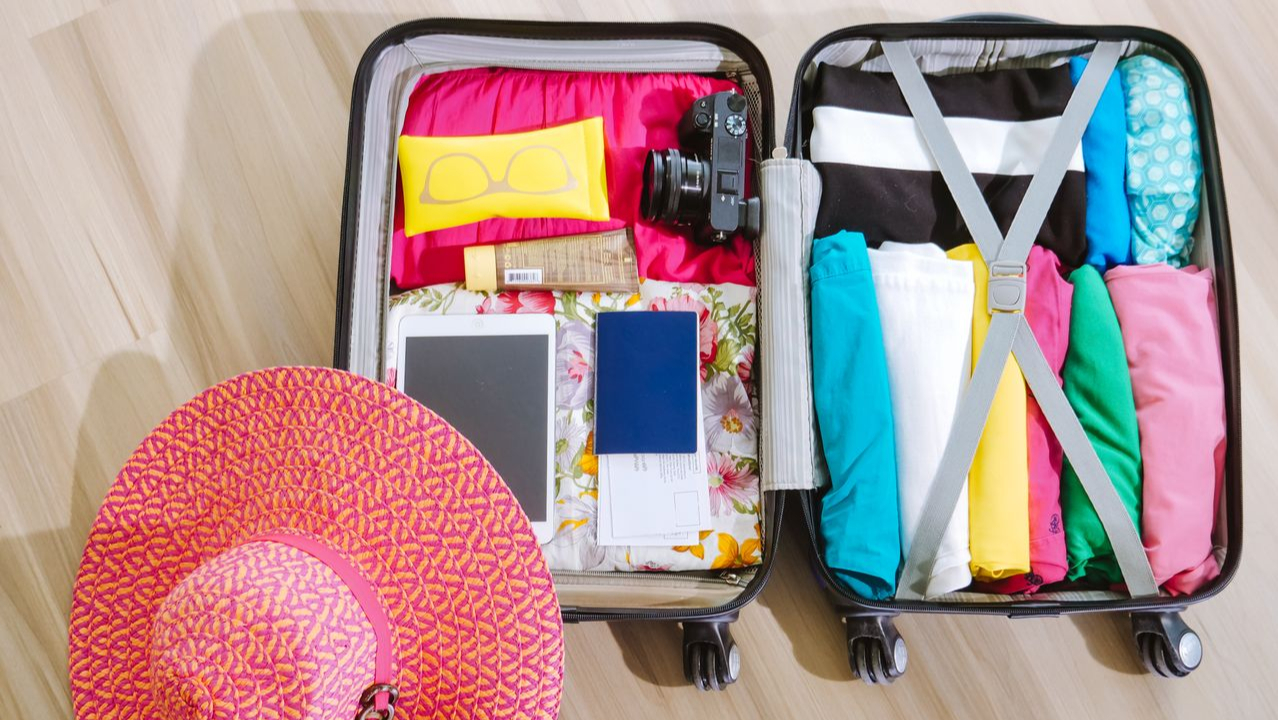
A packing list for Assam turns on the damp rather than the rain, which is why a suitcase that works in Rajasthan fails here. Humidity sits high in every month of the year, including the cold ones, so paper softens, leather spots and anything sealed warm stays wet. Pack cotton you can wash and dry overnight, put everything that must stay dry inside a dry bag, and add a layer only between November and February.
The state has one more quirk worth packing for. Mornings on an open jeep are far colder than the daytime temperature suggests, and the safari slot that matters starts at 7.30. The general guide to preparing for travelling in India covers the country-wide version of all of this.
Six things go in whatever month you arrive.
Two things to leave out. Leather shoes mark in the humidity, and a hard shell suitcase is the wrong luggage for a state where the last leg may be a boat.
November to February. Cold mornings, warm afternoons, so the answer is layers rather than weight.
March to May. Heat building through April, with pre-monsoon storms arriving before the monsoon does.
The hours between one and four in the afternoon are not worth planning anything into.
June to September. The rain is not the problem on its own, and the standing water and the damp are.
More warmth than the forecast suggests, and nothing that rustles or shines.
Our fourteen-day journey through the Northeast runs Assam, Arunachal Pradesh and Meghalaya, and the packing brief changes across those three. If the list has to match a fixed set of dates and places, customised tours is where that gets settled.
Cotton or linen with full sleeves and long trousers, in every month. The sleeves are for mosquitoes as much as for sun, and they cover you adequately at a temple or a namghar. Between November and February add two light layers and a jacket for the mornings.
Yes, a packable one. Pre-monsoon storms run through March, April and May, and they are short and heavy rather than steady. A shell that folds into a bag is enough, and an umbrella is the wrong tool because of the wind.
A jacket, muted colours, binoculars and a dust cover for a camera. The morning slot starts at 7.30 in an open vehicle and is colder than the daytime temperature suggests. Skip perfume and anything bright white.
It can be. The last leg of an Upper Assam trip is often a ferry and a short walk, and a soft bag handles that better. Humidity is the other reason to pack soft, because sealed hard cases hold damp in rather than letting it out.