
Let’s help you
plan your journey
Explore responsibly, discover offbeat places, guided by locals, rooted in culture.
Let’s help you
plan your journey
Explore responsibly, discover offbeat places, guided by locals, rooted in culture.
Soumen Bhowmick
Soumen Bhowmick founded Pollen Dots in 2024 to plan journeys across India and Bhutan. He works in the Commercial Department of Indian Railways, where he has been since 2000. From 2016 to 2020 he was Head of Business Development and Partnerships at ScoutMyTrip, a community-driven road trip planning platform. There he built a nationwide network of local Scouts who helped travellers on the road, and grew the Road Trippers Club to 16 Indian cities. As a core member of Devil On Wheels, he helped travellers plan Himalayan trips and started Spreading Smiles. He has driven solo from Arunachal to Goa and from Himachal to Karnataka, and has run his own caravan for more than ten years. His photographs have won national and international salon awards, and his writing has appeared in Outlook Traveller.
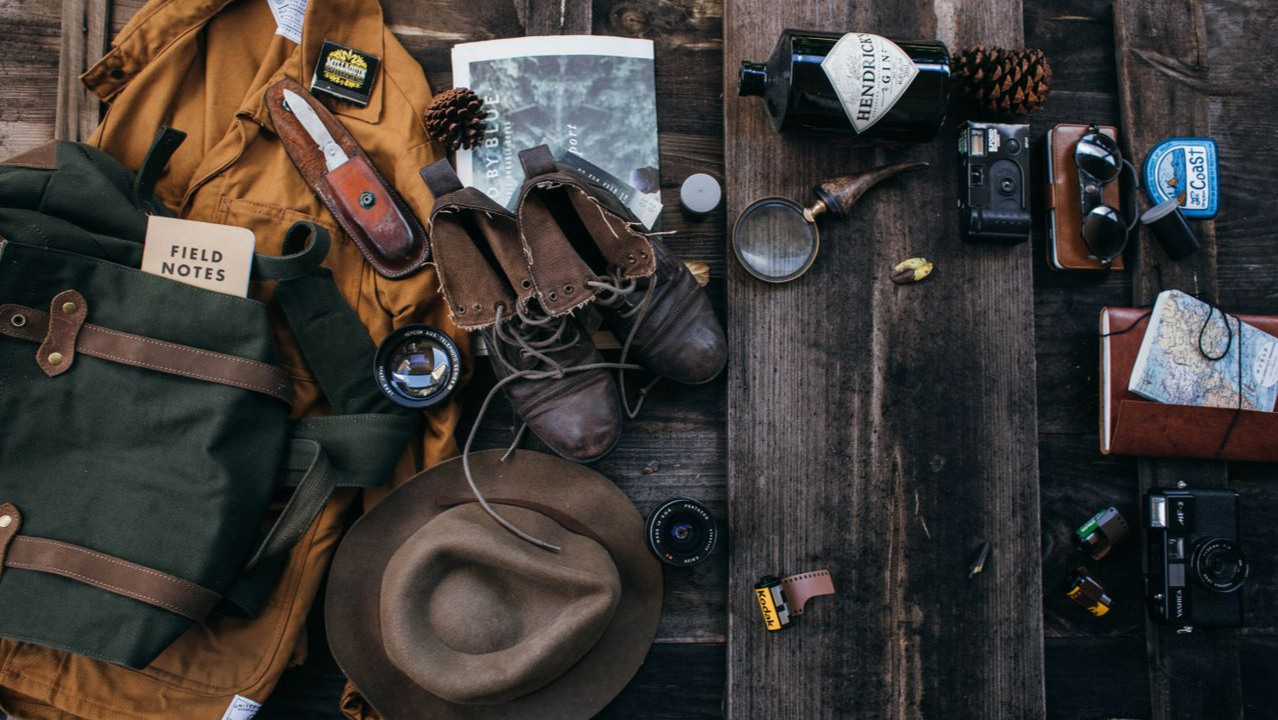
Two rainy seasons cover six months of the year, which is the first thing a packing list for Kerala has to answer. The southwest monsoon runs June to September and the northeast monsoon runs from the middle of October to the middle of December, so the dry window is shorter than most lists assume. Pack for wet months either side of winter, for cold in the high estates, for temple dress rules, and leave the rest behind.
Most lists for this state are written for the coast, where thin cotton is enough in any month. The estates above Munnar are a different proposition and they appear on almost every route. The guide to preparing for travelling in India carries the general kit, and this adds what the rain and the hills need.
The core list, which holds for any month and any part of the state.
The southwest monsoon is the heavy one and the northeast monsoon is the one most visitors do not expect. Both of them flood roads rather than cancel days.
Munnar sits high enough to get frost and the coast an hour and a half below it does not. The two need opposite things from the same bag.
The estates above Munnar have recorded minus five degrees in the cold months while the coast stayed warm the same week. Our eight day journey through the Kerala highlands spends its nights at that height, which needs the colder of the two bags.
Kerala temples apply a dress code that is stricter than most of the country, and some of them turn visitors away at the gate. Guruvayur publishes its rules and they are worth reading before you pack.
Nothing on this list is specialist. The bag that fails here is the one packed for a warm coast and then carried up to an estate at night. Customised tours is where the season, the hills and the temple days get settled before anyone packs.
Thin cotton or linen for the coast and the towns, with one warm layer for the hills, in the same bag. Full-length trousers and sleeves are worth having for temples and forest walks. Kerala temples apply a stricter dress code than most of the country, and Guruvayur asks men for a plain white or cream dhoti.
For the hills, yes. The estates above Munnar recorded minus five degrees at Mattupetty in February 2022, and frost wilted tea leaves the same week. A fleece and thick socks are enough for December and January. The coast stays warm and humid in every month and needs none of it.
A second pair of shoes, quick-dry trousers, dry sacks for electronics, more socks than you expect, and an umbrella as well as a jacket. There are two wet seasons here, the southwest monsoon from June to September and the northeast monsoon from the middle of October to the middle of December. Keep the dates flexible in both.
Hard-wheeled suitcases, new shoes, single-use plastic bottles and uncleared drones. The two common errors are packing only thin clothes, which leaves you cold on the estates, and packing only shorts and sleeveless tops, which will stop you at a temple gate.