
Let’s help you
plan your journey
Explore responsibly, discover offbeat places, guided by locals, rooted in culture.
Let’s help you
plan your journey
Explore responsibly, discover offbeat places, guided by locals, rooted in culture.
Soumen Bhowmick
Soumen Bhowmick founded Pollen Dots in 2024 to plan journeys across India and Bhutan. He works in the Commercial Department of Indian Railways, where he has been since 2000. From 2016 to 2020 he was Head of Business Development and Partnerships at ScoutMyTrip, a community-driven road trip planning platform. There he built a nationwide network of local Scouts who helped travellers on the road, and grew the Road Trippers Club to 16 Indian cities. As a core member of Devil On Wheels, he helped travellers plan Himalayan trips and started Spreading Smiles. He has driven solo from Arunachal to Goa and from Himachal to Karnataka, and has run his own caravan for more than ten years. His photographs have won national and international salon awards, and his writing has appeared in Outlook Traveller.
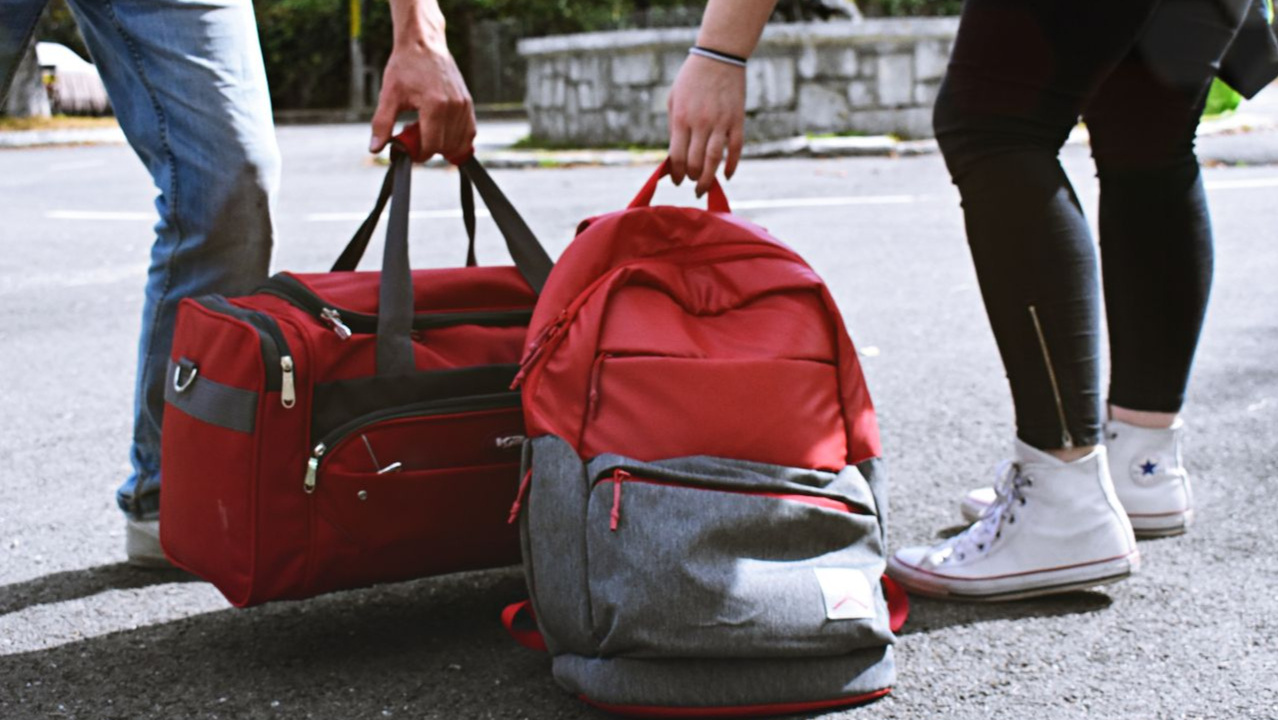
A packing list for West Bengal has to hold three climates at once. Kolkata sits on a flat delta where summer air leaves washed cotton damp overnight, and a Sundarbans day runs six hours or more on an open boat with no shade on deck. The plateau in the west is dry and dusty, and its nights turn cold between December and February.
Temples, mosques and the Nawabi palaces all ask for covered shoulders and knees, and shoes come off at temple doors.
Four things carry across every region and every month.
| Season | What changes |
|---|---|
| October to February | Add the light layer. Mornings are cool and plateau nights are cold |
| March to May | More water, lighter cloth, and a hat that covers the neck |
| June to September | A rain jacket and a second pair of shoes. The delta floods |
Covered arms, a hat and shoes you can get wet.
The boat is open and moving for most of the day, so sun comes from above and off the water at the same time. There is no shade on deck once the sun is up.
The creeks are tidal, so the boat follows the water rather than a timetable. Departure times shift with the tide from one day to the next.
Mornings on the water in December and January are cold before the sun gets up. A windcheater covers the first two hours.
There is no shop once the boat leaves the jetty. Water, sunscreen and anything else needed goes on board at Godkhali.
Shoulders and knees covered, and shoes left at the door.
The Bishnupur temples, the Kalighat and Dakshineswar temples in and around Kolkata and the mosques at Murshidabad all follow this. Shoes come off outside and go back on at the gate.
Hazarduari at Murshidabad is a museum rather than a working shrine, so shoes stay on and bags go through a check.
Stone and brick floors heat up through the middle of the day, so a pair of socks in the bag is useful at the open temple sites.
Most sites have a counter for shoes at a few rupees. A cloth bag passes where a leather one does not.
Clothes that handle humidity, and shoes for walking on uneven pavement.
Kolkata is walked rather than driven in its old quarters. Pavements are broken in places and the streets flood fast in the monsoon.
The trams and the metro cover the north to south line. Both are cheap and neither needs a booking.
During Durga Puja the crowds move on foot at night across the whole city. Flat shoes and a bag that closes are what the nights ask for.
Dust protection by day and a warm layer by night.
The western plateau is dry red earth with open rock hills. Days are hot and bright and the temperature drops sharply after dark from December to February.
The hills run colder again in the north. A trip that takes in both the plateau and the north needs a proper jacket rather than a fleece.
We cover North Bengal separately, including the Dooars, where the packing is different again.
March and April bring the palash into flower across the plateau, and the same months bring the hardest heat.
A short guide to getting ready for a trip in India covers papers and bookings. Our six day journey through Kolkata and the coast starts in the city.
A long sleeved cotton shirt, a hat and shoes that can get wet. The boat is open and moving all day with no shade on deck, and the sun comes off the water as well as from above.
One light layer. Kolkata and the delta stay warm, and the western plateau turns cold at night from December to February. A fleece or windcheater is enough.
Quick drying cotton or linen, two shirts a day, and walking shoes. The humidity means thick cloth stays damp overnight and the old quarters are covered on foot.
No. The Bishnupur temples, the Kolkata temples and the Murshidabad mosques all ask for shoulders and knees covered, and shoes come off at the door.